
Noise Protection
Learn How Common Sounds Could Be Harming Your Hearing — and What You Can Do About It
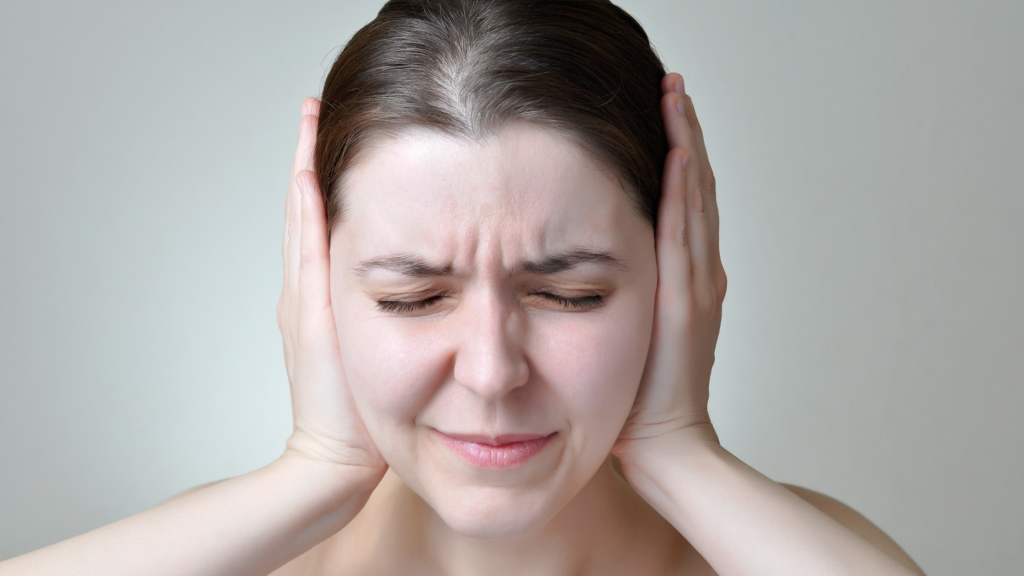
Understanding Noise Exposure and Hearing Protection
Did you know that noise exposure is the most common preventable cause of hearing loss in Australia? According to Safe Work Australia, up to one in three working Australians are regularly exposed to noise levels that can cause permanent hearing damage.
But it’s not only those in construction, manufacturing, or mining who are at risk. Many everyday activities and hobbies also expose people to sounds that exceed safe levels — often without them realising it. From mowing the lawn or attending concerts to listening to music through headphones or using power tools at home, repeated exposure to loud noise can have lasting effects on your hearing.
How Noise Affects Your Hearing
Your ears contain thousands of tiny hair cells that help transmit sound to your brain. When these cells are exposed to loud noise, they can become damaged — and once damaged, they do not grow back. The result is noise-induced hearing loss (NIHL), which can occur gradually over time or suddenly after a single intense exposure.
Common early signs of noise-related hearing damage include:
Ringing or buzzing in the ears (tinnitus)
Difficulty hearing conversations in noisy environments
Needing to increase the TV or music volume
Feeling that people are mumbling or unclear
Even short bursts of extremely loud noise — such as fireworks or amplified music — can cause permanent harm.
"Excellent service and very friendly and approachable staff. Highly recommend to those needing an assessment of their hearing". - Jackie Love
How Loud Is Too Loud?
Sound is measured in decibels (dB). Generally, prolonged exposure to sounds above 85 dB can cause hearing damage. To put that into perspective:
Normal conversation: ~60 dB
Busy traffic: ~80 dB
Lawnmower: ~90 dB
Live concert or nightclub: 100–110 dB
Chainsaw or power tools: 110–120 dB
Every 3 dB increase represents a doubling of sound intensity, meaning your ears reach their limit much faster than you might think. For example, while 85 dB may be safe for up to 8 hours, exposure to 100 dB can cause damage in just 15 minutes.
Protecting Your Hearing
The good news? Noise-induced hearing loss is completely preventable. Here are a few simple ways to protect your hearing:
Wear custom or reusable earplugs in noisy environments.
Use noise-reducing earmuffs for power tools, machinery, or concerts.
Limit time spent in loud environments whenever possible.
Take regular “quiet breaks” to give your ears time to recover.
Keep the volume at safe levels when listening to music through headphones.
At Hearsmart Audiology, we can provide custom hearing protection tailored to your ears and lifestyle — from musicians’ earplugs to industrial-grade hearing protection for work.
Our Happy Customers
[trustindex no-registration=google]






FAQ's
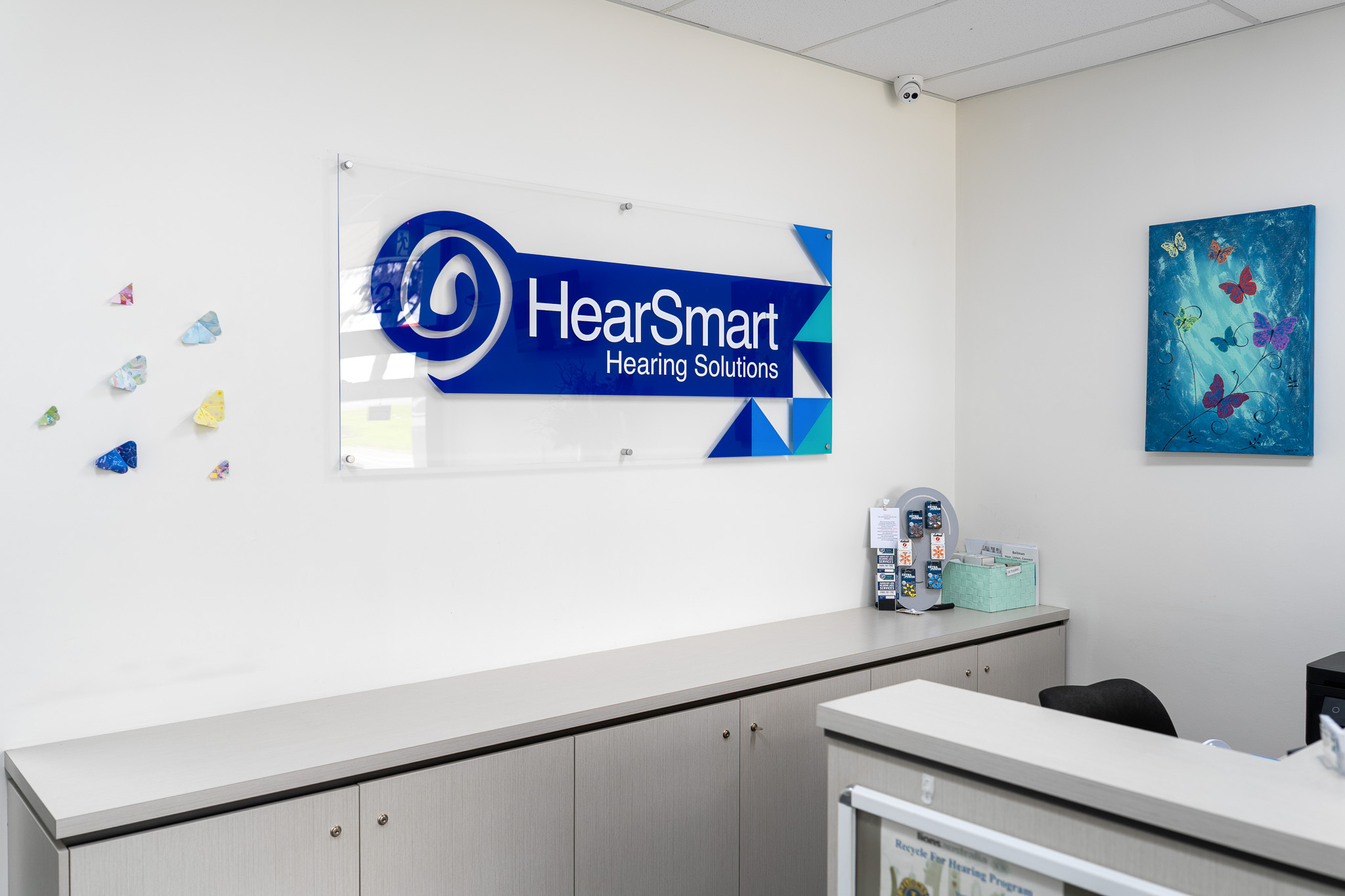
- Nearly 20 years serving the Yarra Ranges community
- One of the only local clinics offering balance (vestibular) testing
- Family-friendly care for both adults and children
- Independently owned — your needs come before sales targets
30
Years of Experience